Who Can Benefit
- Broad group: Busy adults and health-conscious readers who want simple, heart-friendly habits that fit into a hectic schedule.
- Medium group: People with elevated cholesterol or other cardiovascular risk factors seeking small, doable lifestyle tweaks.
- Narrow, symptom-based group: Individuals who notice post-meal fatigue or sluggishness and want an easy dietary habit that might support heart-health markers.
2. What Research Shows
New findings suggest that a weekly almond–oat milk beverage may help lower ApoB, a marker linked to heart disease risk. In adults at higher cardiovascular risk, four weeks of the beverage reduced ApoB by 23.3%, while statin therapy reduced ApoB by 53.1%. The researchers also tested a compact, point-of-care ApoB sensor and found it accurate across a broad range (0–212 mg/dL), with a strong correlation to standard lab methods (R ≈ 0.99). Taken together, these results imply that simple dietary choices, paired with practical monitoring, could support heart-health tracking during routine visits.
3. How to Eat It
- Recommended Serving
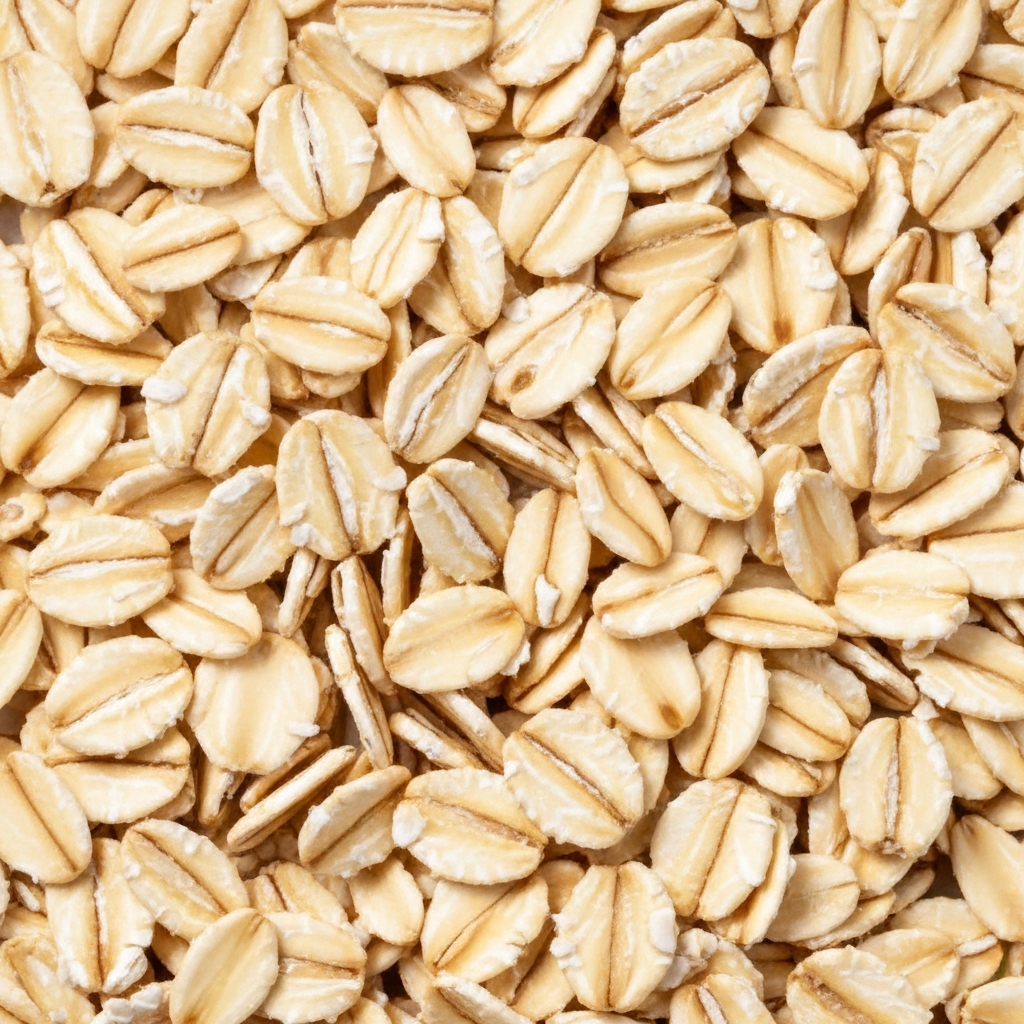
- Try one weekly serving of almond milk with oats (about 1 cup unsweetened almond milk paired with oats) as used in the study, as a small, meal-reinforcing habit. If your routine or preferences differ, adapt to a similar weekly serving pattern that fits your lifestyle.
- Easy Ways to Eat
- Mix into a smoothie: almond milk, a ripe banana, a handful of oats, and a dash of cinnamon.
- Pour over breakfast cereals or hot oatmeal for a creamy, heart-friendly start.
- Use as a dairy-free base in coffee or tea for a comforting morning routine.
- Flavor Pairings
- Pair with berries or vanilla for natural sweetness.
- Add a pinch of cinnamon or nutmeg to enhance depth without extra sugar.
- Try with banana and a few crushed almonds for a wholesome, comforting bowl.
4. Takeaway
A small, weekly plant-based beverage habit, alongside regular health check-ins, may support heart-health markers and overall cardiovascular risk management. Start today by fitting a simple almond–oat milk serving into your week, and talk with your clinician about ApoB testing and what it could mean for you.