Who Can Benefit
- Broad group: Busy adults and health-minded readers seeking a simple, natural way to support liver health and reduce inflammation.
- Medium group: People dealing with mild inflammation or metabolic concerns (e.g., slightly high triglycerides or liver enzymes) who want non-drug options.
- Narrow, symptom-based group: Individuals diagnosed with NAFLD or at high risk who are curious about natural supplements studied for liver health.
What Research Shows
This study suggests pomegranate peel extract (PPE) may support liver health and lower inflammation in people with fatty liver. In 46 NAFLD patients, taking PPE at 1000 mg per day for 10 weeks led to greater improvements in triglycerides, liver enzymes (ALT and AST), and the inflammation marker hs-CRP, and it increased HDL-C, compared with placebo (p-values: TG 0.02, ALT 0.01, AST 0.01, hs-CRP 0.01, HDL-C 0.04). There were no significant differences in LDL-C, total cholesterol, ALP, GGT, or fatty liver grade. The study combined PPE with a modest calorie-deficit diet, so the results reflect PPE’s effects alongside weight loss. Overall, PPE may support liver health and lower inflammation in NAFLD, but more research with different doses and longer durations is needed.
How to Eat It
- Recommended Serving
- In this trial, participants took 1000 mg of pomegranate peel extract daily (two capsules of 500 mg each). If you’re considering PPE, follow product labeling and consult a healthcare provider, as optimal doses can vary.
- Easy Ways to Eat It
- Take PPE capsules with meals to help with tolerance.
- If you prefer foods, look for PPE-containing supplements or consider using dried or powdered pomegranate peel in cooking. Note that the evidence summarized here comes from the extract, not from whole-food forms.
- Flavor Pairings
- If you’re using whole pomegranate in meals, pair it with citrus, olive oil, yogurt, nuts, or leafy greens to boost flavor and polyphenol-rich meals.
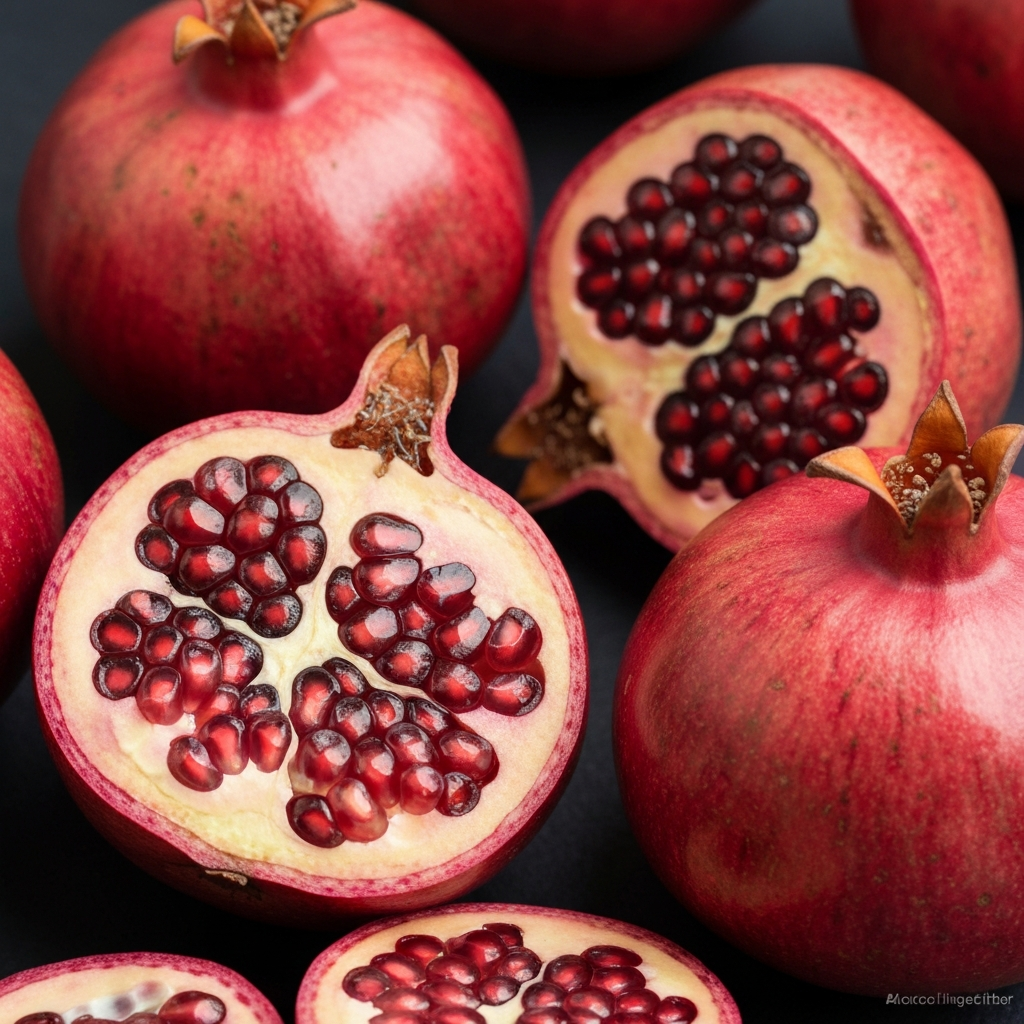
- Pomegranate arils make a bright addition to salads, grain bowls, and breakfast bowls.
Takeaway
A natural pomegranate peel extract showed promising improvements in liver enzymes, triglycerides, HDL-C, and inflammation markers in NAFLD over 10 weeks. If liver health is a concern, consider incorporating pomegranate-rich foods or PPE supplements as part of a balanced lifestyle, after discussing with a clinician. Small, consistent dietary tweaks—like adding pomegranate to meals—can be an approachable first step toward better liver health.