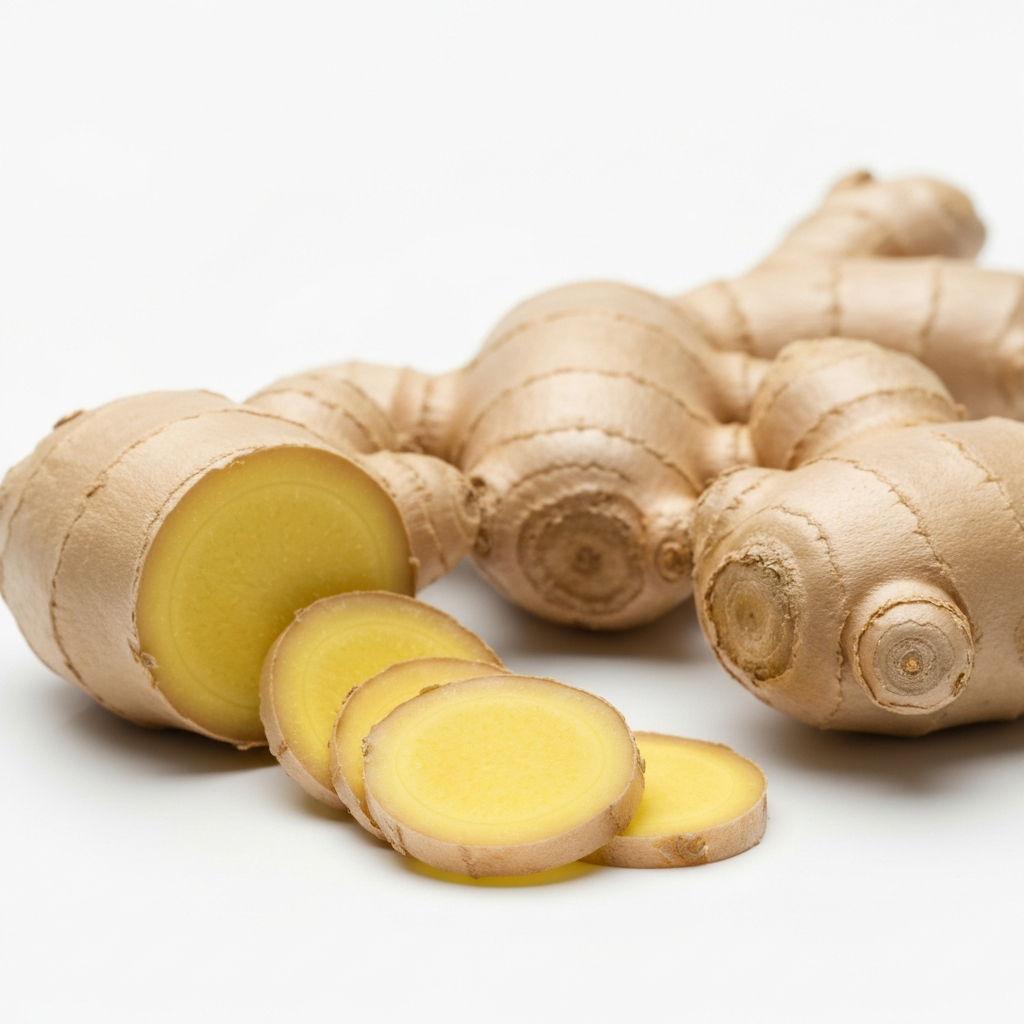
Who Can Benefit
- Broad group: Busy, health-conscious adults seeking tasty ways to support overall brain health through everyday foods and supplements.
- Medium group: People dealing with chronic stress, mild inflammation, or fatigue who want a dietary approach that may help protect brain cells.
- Narrow, symptom-based group: Individuals experiencing brain fog, trouble concentrating, or post-meal sluggishness who are curious about brain-friendly ingredients.
What Research Shows
Laboratory research suggests that phytosome-encapsulated ginger compounds may help protect brain cells from stress.
In a laboratory study using human neuron-like SH-SY5Y cells exposed to oxidative stress, pretreatment with extracts enriched in 6-gingerol and 6-shogaol improved cell viability and reduced harmful markers, including reactive oxygen species (ROS), malondialdehyde (MDA), TNF-α, and caspase-3. Antioxidant defenses rose, with higher activities of SOD, CAT, and GSH-Px. The protective effect involved activation of a cell-survival pathway (PI3K/Akt), boosting Bcl-2 and reducing apoptosis, helping neurons withstand stress and inflammation. Note: these results are from a cell study, not humans, so more research is needed before drawing conclusions for people. Still, the findings point to real potential for using these bioavailable ginger compounds in brain-healthy diets or supplements.
How to Eat It
- Recommended Serving
- For daily life, aim to incorporate ginger-containing foods regularly. If using supplements, follow product labels and consult a healthcare provider, as dosages vary. A practical starting point is around 1–2 servings of fresh ginger per day or a standard ginger extract supplement per label guidance.
- Easy Ways to Eat
- Add freshly grated ginger to smoothies, tea, soups, or stir-fries.
- Stir a pinch of ground ginger into yogurt, oatmeal, or directly onto roasted vegetables.
- Brew ginger tea as a warm, comforting daily ritual.
- Flavor Pairings
- Brighten with citrus (lemon, orange) and olive oil in dressings or marinades.
- Pair with garlic, honey, mint, or turmeric for a warm, aromatic profile.
- It blends well with soy, sesame, and other Asian-inspired flavors.
Takeaway
Small, tasty steps can add up. Include ginger regularly—whether fresh in meals or via a reputable supplement—while keeping expectations realistic since human studies are needed to confirm these lab findings. Start by adding a bit of ginger to your daily routine and observe how it fits with your meals and energy levels.