Who Can Benefit
- Broad group: Busy, health-minded readers seeking simple, flavorful ways to support overall wellness through their everyday diet.
- Medium group: People dealing with chronic mild inflammation or stress who want meals that are tasty and potentially anti-inflammatory.
- Narrow, symptom-based group: Cancer patients or caregivers, particularly those facing gastric cancer or radiotherapy, who want to know how food components might complement treatment—under medical guidance.
What Research Shows
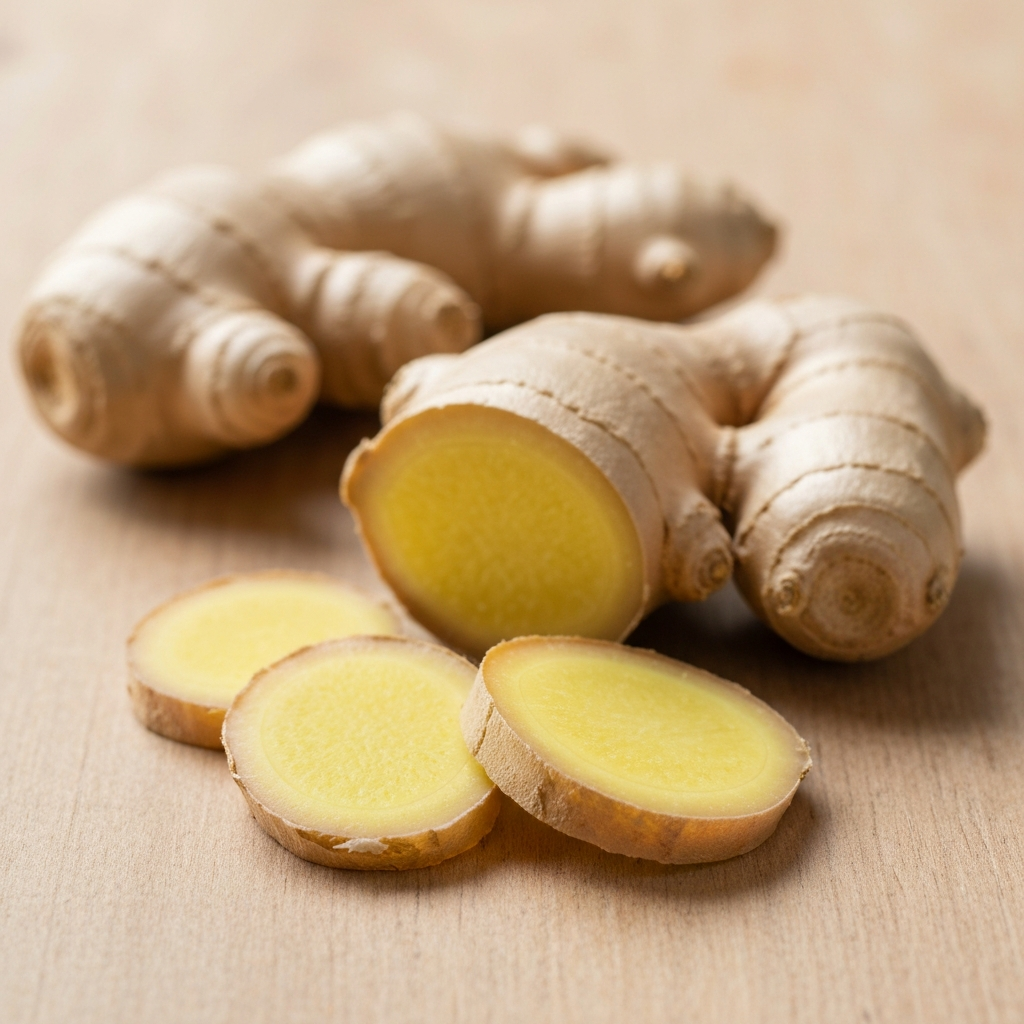
The study suggests that a ginger compound called 8‑shogaol may help dampen inflammation and make gastric cancer cells more responsive to radiation. In cell and animal models, 8‑shogaol reduced inflammatory markers and slowed tumor growth, while also decreasing cancer cell viability and increasing cancer cell death. It appears to work by generating reactive oxygen species (ROS) and triggering endoplasmic reticulum (ER) stress that activates a cell‑death pathway; this effect was stronger when combined with other stress inducers. In models that resist radiation, adding 8‑shogaol to radiotherapy helped sensitize tumors to treatment, suggesting a potential adjuvant role via pathways linked to oxidative and ER stress.
In short: 8‑shogaol shows anti‑inflammatory and pro‑apoptotic effects in gastric cancer models and may help overcome radioresistance by boosting cancer cell death through ROS and ER stress signaling. These findings come from animal and cell studies, not yet proven in humans. More research is needed to confirm safety and effectiveness in people. Still, the results point to ginger‑derived compounds as a possible complement to cancer therapy under professional care.
How to Eat It
Here are practical, tasty ways to add ginger to your daily routine.
- Recommended Serving
- Aim for about 5–10 grams of fresh ginger per day (roughly 1–2 teaspoons, grated), or use small amounts of dried ginger in meals. If you have blood clotting concerns or are on certain medications, check with a clinician first.
- Easy Ways to Eat
- Add freshly grated ginger to smoothies, teas, stir‑fries, soups, or marinades.
- Stir a pinch of ground ginger into yogurt, porridge, or overnight oats.
- Brew a warm ginger tea by steeping sliced ginger in hot water with a squeeze of lemon.
- Flavor Pairings
- Ginger pairs well with citrus (lemon, orange), garlic, soy sauce, sesame, honey, chili, and green vegetables.
- It complements light, bright flavors as well as savory, warming dishes.
Takeaway
Ginger’s 8‑shogaol offers a hopeful angle for everyday cooking: small, regular amounts may help reduce inflammation and, in preclinical studies, help certain gastric cancer cells respond to radiation. These findings are from preclinical work and have not been proven in people. You can still enjoy ginger as part of a balanced diet and discuss its potential role in your cancer care plan with your healthcare team. Making ginger a regular, flavorful part of meals is a practical step toward wellness-minded eating today.