Who Can Benefit
- Broad group: Busy, health-conscious readers seeking simple, tasty ways to support antioxidant balance in daily life.
- Medium group: People experiencing mild inflammation, stress, or fatigue who want natural dietary signals that may bolster resilience.
- Narrow, symptom-based group: Individuals dealing with brain fog, concentration slips, or post-meal sluggishness who suspect oxidative stress could be a factor.
What Research Shows
This lab study suggests a natural capsaicinoid derivative may help guard liver cells from oxidative stress in vitro. In HepG2 cells subjected to oxidative challenge, the compound (a capsaicinoid glucoside) reduced cell death and lowered markers of cell damage in a dose-responsive manner. It also cut reactive oxygen species (ROS) levels by about 19%, 37%, and 44% at increasing concentrations (25, 50, and 100 µg/mL). The treatment boosted the cells’ antioxidant defenses by increasing glutathione content and catalase activity. Importantly, the researchers propose the effect works through the TRPV1/Nrf2 pathway, a cellular mechanism linked to oxidative balance. While the findings are promising, they come from cell tests, not human trials, so more work is needed before specific foods or supplements are recommended. Nonetheless, the study points toward potential for functional foods or supplements that support liver health and oxidative balance.
How to Eat It
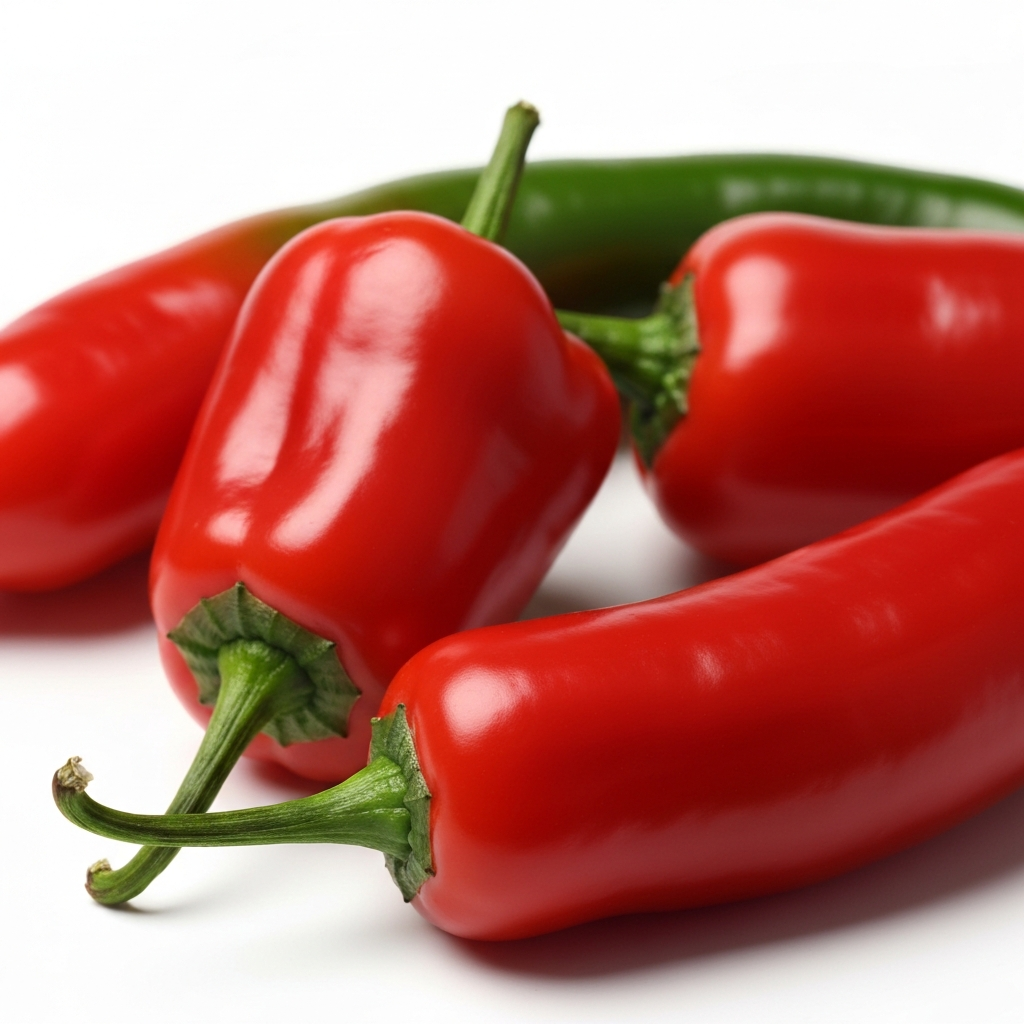
- Recommended Serving: Include spicy, capsaicinoid-containing foods regularly—roughly a few times per week, as tolerated. If you’re new to spicy foods, start with milder amounts and increase gradually to fit your taste and comfort.
- Easy Ways to Eat: Add a pinch of chili peppers or a splash of hot sauce to eggs, soups, stir-fries, or marinades. Mix a small amount into yogurt, avocado toast, or a lentil bowl to boost flavor and potential antioxidant benefit without sacrificing texture.
- Flavor Pairings: Capsaicinoid-rich foods pair well with citrus (lemon, lime), olive oil, garlic, tomatoes, and herbs like cilantro or oregano. Dairy products can help mellow heat if you’re sensitive to spice, while fats in olive oil or avocado help carry the flavors.
Takeaway
A lab study on a capsaicinoid derivative found in spicy foods hints at enhanced cellular defenses against oxidative stress in liver cells, potentially via the TRPV1/Nrf2 pathway. While human studies are needed, you can enjoy spicy foods as part of a balanced diet to support overall wellness. Today, try adding a mild chili kick to one meal this week, and notice how you feel. Consistency matters, and flavor can be your daily cue to nourish your body.