Who Can Benefit
-
Broad group: Busy adults and health-conscious readers who want a tasty, heart-friendly snack that fits into a hectic day with no extra effort.
-
Medium group: People who are overweight or have prediabetes and are looking for simple dietary steps that may help lower blood pressure and reduce cardiovascular risk.
-
Narrow group: Individuals who notice blood pressure swings or nighttime blood pressure changes and want a practical daily food option to support stability.
What Research Shows
The study suggests almonds may help lower blood pressure and reduce daily BP swings. In 34 adults with overweight/obesity and prediabetes, researchers compared five months of daily almond consumption (50 g) to a control period in a crossover design. Almonds did not significantly change arterial stiffness or most markers of endothelial dysfunction and inflammation. Systolic blood pressure fell by about 3–4 mmHg overall (including 24-hour, daytime, and nighttime readings), and blood pressure variability improved across 24 hours, day, and night. Retinal vessel measures were largely unchanged, with only a small, non-clinically meaningful shift in one parameter.
How to Eat It
-
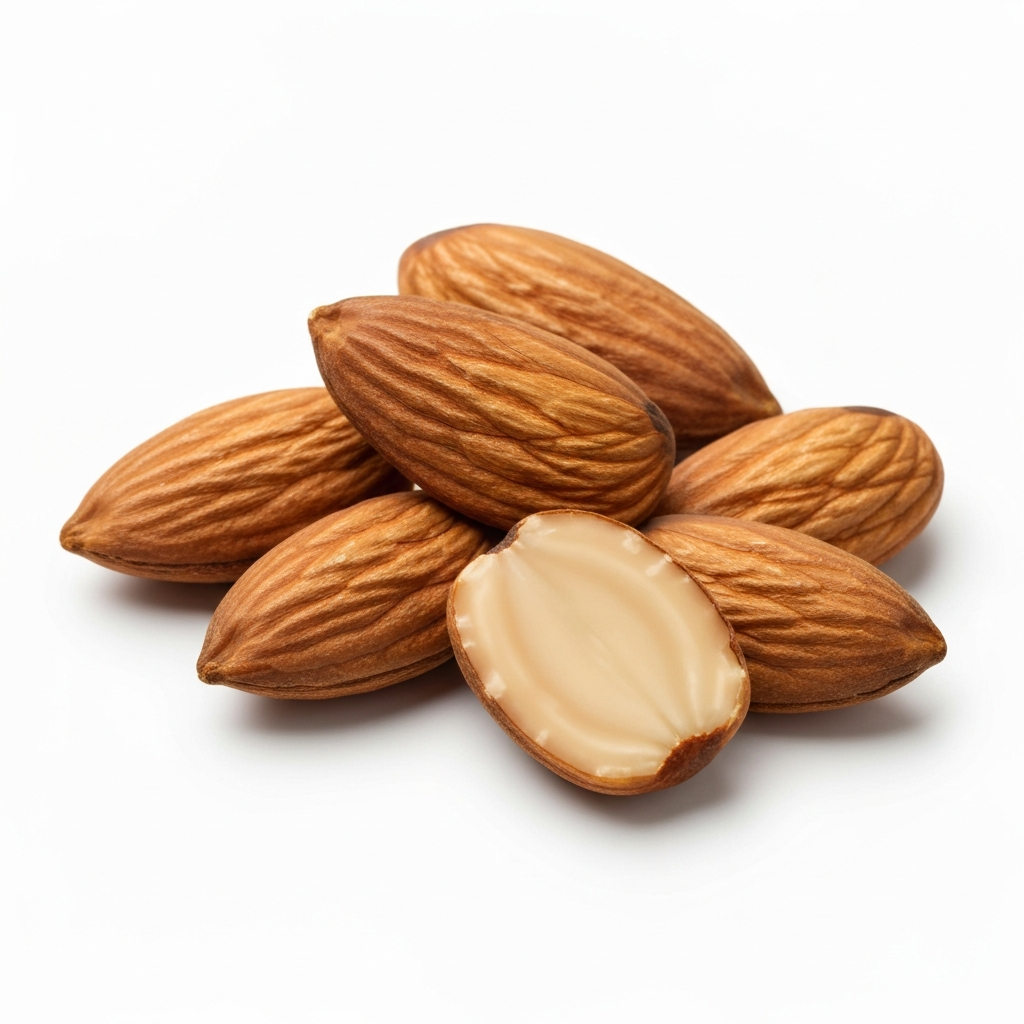
Recommended Serving: About 50 g of almonds per day (roughly a small handful), unless you have a nut allergy or other medical considerations.
-
Easy Ways to Eat: Toss into morning yogurt or oatmeal, blend into smoothies, sprinkle over salads, mix into yogurt parfaits, or enjoy as a quick on-the-go snack.
-
Flavor Pairings: Pair almonds with citrus fruits or berries, a drizzle of olive oil and a pinch of sea salt for a savory kick, or a touch of cinnamon and dark chocolate for a slightly sweet treat.
Takeaway
A simple daily habit of eating almonds may modestly lower systolic blood pressure and smooth BP fluctuations in adults at risk due to overweight/obesity and prediabetes. Start today with a handful of almonds as a snack or meal addition, and see how it fits into your daily routine.