Who Can Benefit
-
Broad group: Busy, health-conscious adults seeking simple, evidence-based ways to support overall wellness and blood sugar management.
-
Medium group: People dealing with chronic low-grade inflammation or early signs of insulin resistance who want strategies that may reduce inflammation and improve glucose control.
-
Narrow, symptom-based group: Individuals experiencing post-meal sluggishness, brain fog, or concentration dips after eating who would like a dietary approach that supports better energy and focus.
2. What Research Shows
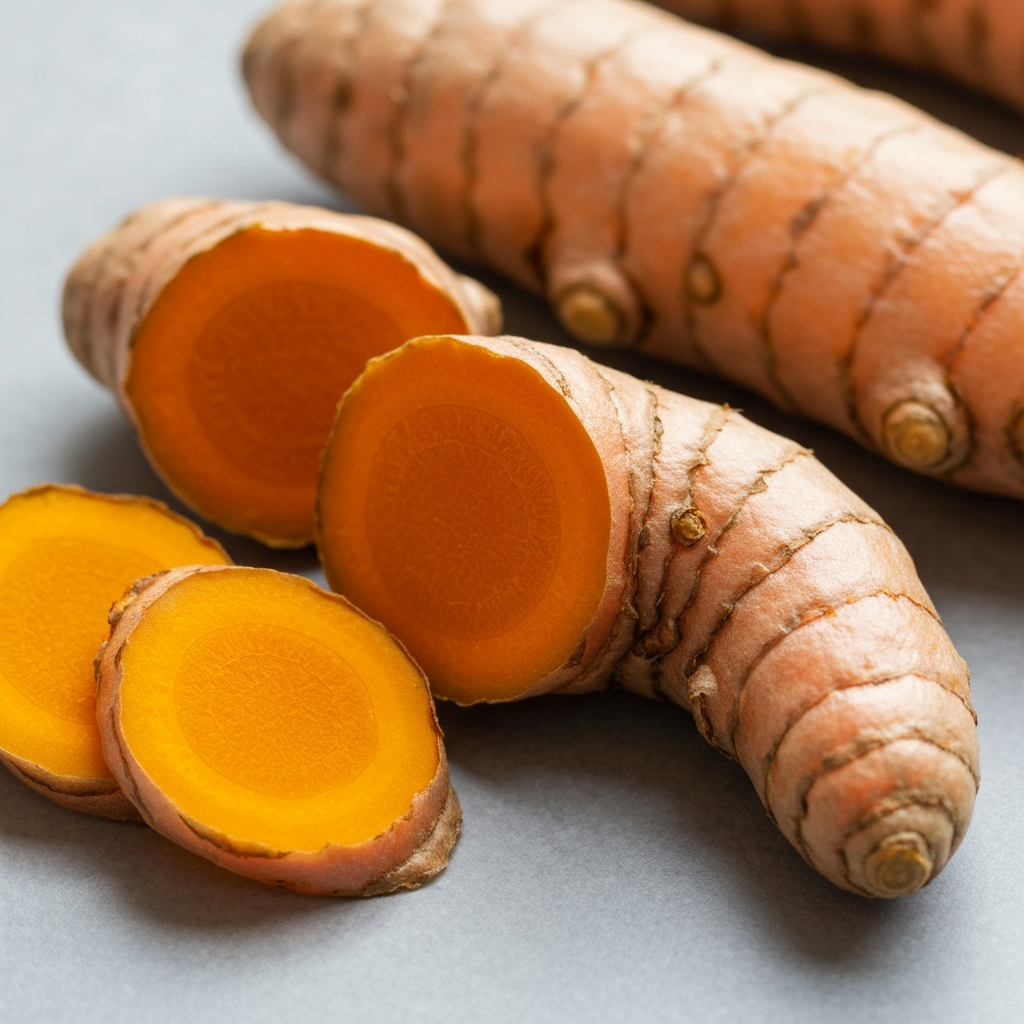
Evidence from a meta-analysis of 18 trials (1,382 adults, average age about 56) suggests curcumin can help lower blood sugar and inflammation in type 2 diabetes. Curcumin supplementation moderately improved key markers: fasting blood glucose decreased by about 11.5 mg/dL, and HbA1c fell by roughly 0.54 percentage points compared with placebo. Inflammation also eased, with a notable reduction in the inflammatory marker CRP. Taken together, curcumin may support both glycemic control and inflammation in type 2 diabetes, though optimal dosing and absorption-enhancing formulations still need clarification.
3. How to Eat It
- Recommended Serving
- Daily intake can come from turmeric spice in meals or from a curcumin supplement. A practical approach is 1–2 teaspoons of turmeric powder daily in cooking. If using supplements, common daily doses range around 500–1000 mg of curcumin, ideally taken with a meal to aid absorption. Because absorption varies, choose a formulation designed to improve uptake, and talk with a clinician if you have diabetes or take medications.
- Easy Ways to Eat
- Stir turmeric into smoothies, soups, stews, oats, or yogurt.
- Add to roasted vegetables, curries, chili, or lentil dishes.
- Mix into warm beverages such as turmeric lassi, golden milk, or tea for a gentle daily habit.
- Flavor Pairings
- Black pepper (piperine) boosts absorption, so a pinch in recipes helps.
- Healthy fats (olive oil, avocado, coconut milk) improve uptake of fat-soluble curcumin.
- Citrus zest or juice, garlic, and ginger harmonize well with turmeric in savory dishes.
4. Takeaway
Small, regular additions of turmeric or curcumin to your daily routine may support both blood sugar management and inflammation in type 2 diabetes. Try incorporating turmeric into one meal today and see how easy it is to build a sustainable, flavorful habit. If you’re considering supplements, discuss it with your healthcare provider to choose a quality product and an appropriate dosage for your situation.